Understanding Forex Market Basics: A Beginners Guide

What is Forex?
Forex, short for foreign exchange, is the global marketplace for trading national currencies against one another. With a daily trading volume exceeding $6 trillion, it is by far the largest and most liquid financial market in the world. Unlike traditional markets such as stock exchanges, the forex market operates 24 hours a day, five days a week, allowing traders to engage in transactions at any time.
How Does the Forex Market Work?
In the forex market, currencies are quoted in pairs, such as EUR/USD or GBP/JPY. The first currency in a pair is known as the base currency, while the second currency is the quote currency. The exchange rate indicates how much of the quote currency is needed to purchase one unit of the base currency. For example, if the EUR/USD pair is quoted at 1.20, it means 1 Euro can be exchanged for 1.20 US Dollars.
Major Currency Pairs
Forex trading revolves around several major currency pairs, which include:
- EUR/USD (Euro/US Dollar): The most traded currency pair, reflecting the economic dynamics between the Eurozone and the United States.
- USD/JPY (US Dollar/Japanese Yen): Popular among investors due to the large volume of trade between these economies.
- GBP/USD (British Pound/US Dollar): Known as “Cable,” it is influenced by UK economic policies and US market dynamics.
- USD/CHF (US Dollar/Swiss Franc): A safe-haven currency pair, generally sought after during times of market volatility.
Understanding Pips and Lots
In forex, a “pip” stands for “percentage in point” and represents the smallest price movement that can be observed in the exchange rate of a currency pair. Most currency pairs are quoted to four decimal places, making one pip equal to 0.0001. For pairs involving the Japanese yen, one pip is equal to 0.01.
When trading forex, positions are measured in “lots.” A standard lot is typically 100,000 units of currency, while a mini lot represents 10,000 units, and a micro lot stands for 1,000 units. Understanding how lot sizes affect your trading strategy is key to managing risk and exposure.
Types of Forex Markets
Spot Market: This is where currency pairs are traded for immediate delivery. Trades in the spot market are settled “on the spot,” and market participants exchange currencies at the current market rate.
Forward Market: In the forward market, participants agree to exchange currencies at a set price on a specified future date, allowing traders to hedge against potential changes in exchange rates.
Futures Market: Similar to the forward market, futures contracts are standardized agreements to exchange currencies at a future date and price. Unlike forwards, futures contracts are traded on regulated exchanges.
Forex Trading Strategies
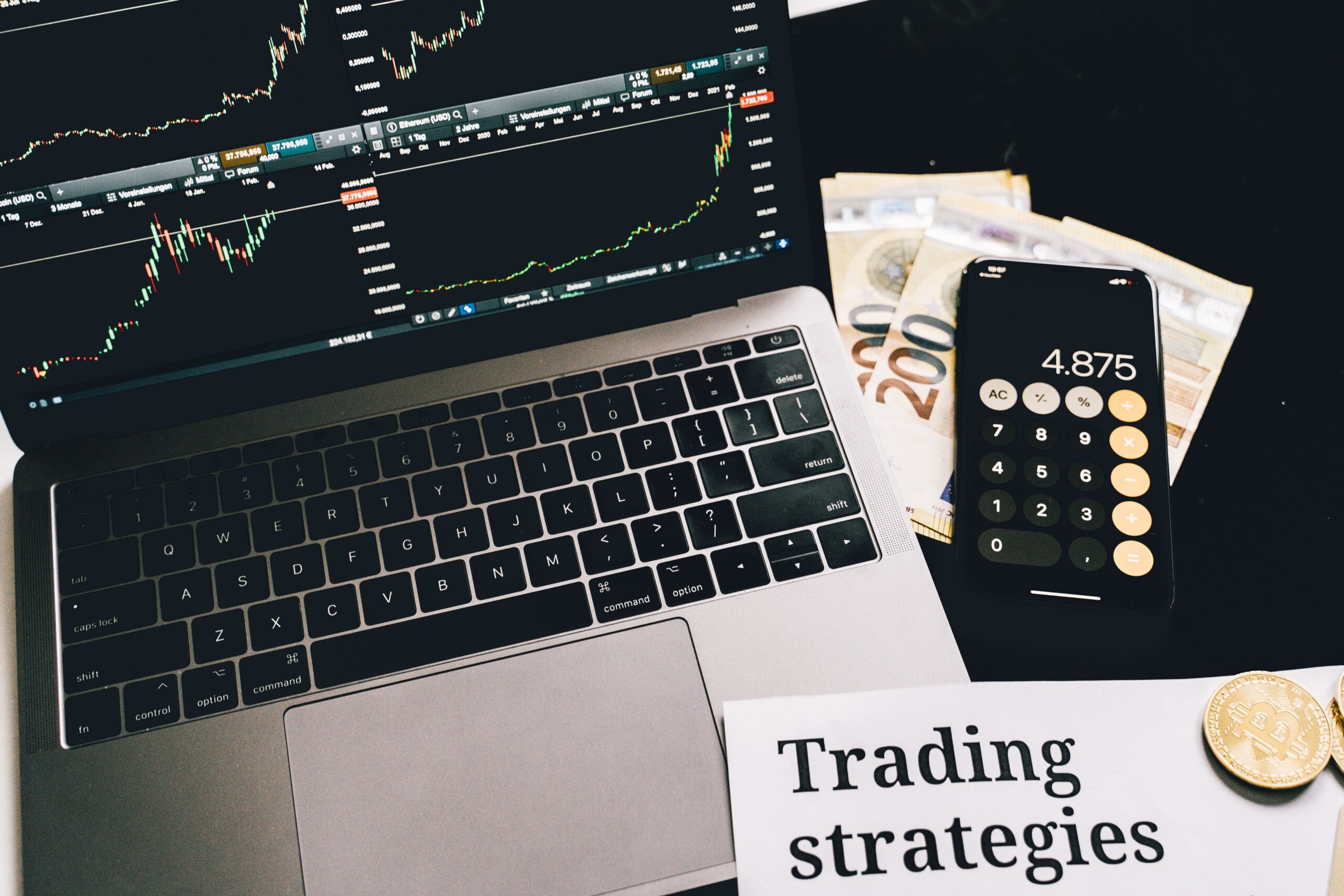
Scalping: This strategy involves making numerous trades throughout the day, holding positions for a very short time to capitalize on small price movements. Scalpers aim for small profits but do this frequently.
Day Trading: Day traders buy and sell currencies within the same trading day, avoiding overnight exposure. This strategy requires a solid understanding of market trends and real-time analysis.
Swing Trading: This strategy involves holding positions for several days or weeks, capitalizing on anticipated price shifts due to fundamental analysis or technical indicators.
Position Trading: Position traders take a longer-term approach, holding trades for weeks, months, or even years. This strategy requires comprehensive research and analysis of market trends.
Risk Management in Forex Trading
Risk management is crucial in forex trading. Here are key strategies to consider:
Stop-Loss Orders: Implementing stop-loss orders can limit losses by automatically closing positions at a predetermined price.
Risk-to-Reward Ratio: A good risk-to-reward ratio ensures that the potential reward of a trade justifies the risk taken. A commonly advised ratio is 1:2, meaning for every dollar risked, the potential gain should be two dollars.
Proper Position Sizing: Determining how much of your capital to risk on a single trade aligns with your overall trading strategy and risk tolerance.
Use of Leverage: Forex brokers often offer leverage, allowing traders to control larger positions than their actual investment would allow. While leverage can magnify profits, it also increases the risk of significant losses.
Technical vs. Fundamental Analysis
Technical Analysis: Traders use charts, patterns, and various indicators (like moving averages and RSI) to forecast future price movements based on historical data. Technical analysts focus on price action and volume, employing tools such as candlestick patterns and Fibonacci retracements.
Fundamental Analysis: This approach involves analyzing economic indicators like GDP, unemployment rates, inflation, and central bank policies. Fundamental analysts aim to understand how these factors can affect currency valuations over time.
Trading Platforms and Tools
To trade forex, you need a trading platform provided by a forex broker. Popular platforms include:
- MetaTrader 4 (MT4): Known for its user-friendly interface, extensive charting tools, and the ability to automate trading through Expert Advisors.
- MetaTrader 5 (MT5): An updated version of MT4, offering more indicators and tools, catering to advanced traders.
- cTrader: Popular for its advanced trading features and intuitive interface.
Choosing a Forex Broker
When selecting a forex broker, consider the following factors:
Regulation: Ensure the broker is regulated by reputable authorities (like the FCA, ASIC, or CFTC) to protect your investment.
Trading Costs: Compare spreads, commissions, and any hidden fees to determine the overall cost of trading with a broker.
Leverage Options: Different brokers offer varying leverage levels. Understand how this can impact your trading strategy and risk management.
Customer Support: A responsive customer support team can be invaluable, especially when facing issues.
Educational Resources: Look for brokers that provide educational materials, webinars, and demo accounts to help you practice trading without financial risk.
The Psychology of Trading
Understanding market psychology is crucial for success in forex trading. Emotional discipline, patience, and a clear trading plan can mitigate impulsive decisions influenced by greed or fear. Developing a trader’s mindset involves:
Keeping Emotional Balance: Recognize that losses are part of trading; maintaining composure during setbacks is vital.
Consistency: Stick to a predetermined plan, following your technical or fundamental analysis without deviation.
Learning from Mistakes: Analyze losing trades to understand what went wrong and evolve your strategy accordingly.
Economic Indicators to Watch
Certain economic reports can significantly influence currency values. Key indicators include:
- Non-Farm Payrolls (NFP): Reflects job growth in the U.S., impacting the USD’s strength.
- Consumer Price Index (CPI): Measures inflation and can indicate future monetary policy decisions by central banks.
- Gross Domestic Product (GDP): Indicates the health of an economy, directly affecting currency values.
Market Hours and Sessions
The forex market operates in three major sessions:
- Asian Session: Begins with the Tokyo market opening, generally characterized by lower volatility.
- European Session: Starts with the London market, known for high liquidity and volatility due to substantial trading volume.
- North American Session: After the European session, this session encompasses the U.S. markets, showcasing major activity due to overlapping trading hours with Europe.
Understanding these session times can help traders maximize opportunities based on market conditions.
Conclusion
Understanding the fundamentals of forex trading is essential for any aspiring trader. Knowledge of currency pairs, market dynamics, and risk management strategies is crucial to navigate this complex but rewarding market. Adopting effective trading strategies combined with a disciplined mindset will enhance your chances of success in the forex trading arena. As you embark on your journey, ensure you are equipped with this foundational knowledge to make informed decisions and manage risks effectively.