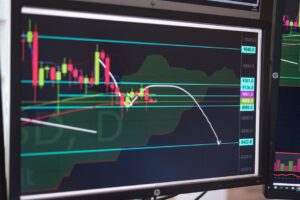
Understanding GBPUSD: A Comprehensive Guide for Forex Traders


Understanding GBPUSD: A Comprehensive Guide for Forex Traders
The GBPUSD currency pair, representing the British Pound against the US Dollar, is one of the most traded pairs worldwide. Below, we delve into various aspects of GBPUSD trading, including its characteristics, analysis techniques, market influences, trading strategies, and tips for success.
1. Characteristics of GBPUSD
1.1 Liquidity
GBPUSD boasts high liquidity, making it a preferred choice for traders. The liquidity stems from substantial trading volume, which reduces the bid-ask spread and enables quick entries and exits. This trait is particularly beneficial for day traders and scalpers who rely on rapid trades to capitalize on minute fluctuations.
1.2 Volatility
GBPUSD is known for its volatility, which can be beneficial for traders seeking to profit from significant price movements. Factors contributing to volatility include economic data releases and geopolitical events, often resulting in sharp price actions.
1.3 Correlation with Other Pairs
GBPUSD often shows a correlation with other major currency pairs. Analyzing its correlation with EURUSD or USDJPY can provide insights into market trends and potential price movements. Understanding these relationships helps traders in risk management and strategy formulation.
2. Fundamental Analysis
Fundamental analysis involves examining economic indicators and geopolitical events that affect currency prices. Key fundamentals influencing GBPUSD include:
2.1 Economic Indicators
- Gross Domestic Product (GDP): Both the UK and US GDP figures affect the perceptions of economic health. Higher-than-expected growth rates generally boost a currency.
- Interest Rates: The Bank of England (BoE) and the Federal Reserve’s interest rate decisions significantly impact GBPUSD. A higher interest rate typically strengthens the currency offering better returns.
- Inflation: Inflation rates in both countries, indicated by the Consumer Price Index (CPI), dictate monetary policy decisions, impacting currency values.
2.2 Key Events
- Monetary Policy Statements: Statements made during monetary policy meetings can cause volatility in GBPUSD. Traders should stay informed on the BoE and Federal Reserve’s outlooks.
- Political Events: Elections, referendums, and governmental policies can influence trader sentiment and, subsequently, GBPUSD movements. For example, the Brexit vote caused significant volatility in GBP.
3. Technical Analysis
3.1 Chart Patterns
Recognizing chart patterns is essential for identifying potential price movements. Popular formations include head and shoulders, triangles, and flags. Each pattern provides insights into possible trend reversals or continuations.
3.2 Support and Resistance
Identifying key support and resistance levels is crucial for assessing potential entry and exit points. Traders can mark these levels on charts, as breakouts above resistance or breakdowns below support often indicate strong trends.
3.3 Indicators and Oscillators
Commonly used technical indicators include moving averages, the Relative Strength Index (RSI), and MACD.
- Moving Averages: These smooth out price data to identify the trend direction.
- RSI: This momentum oscillator indicates overbought or oversold conditions, helping traders make entry or exit decisions.
- MACD: The Moving Average Convergence Divergence is useful for spotting trend reversals and momentum shifts.
4. Market Influences
Understanding broader market influences is essential for successful trading.
4.1 Economic Calendar
The economic calendar lists crucial data releases and events. Traders should monitor releases like employment data, manufacturing indices, and retail sales for both the UK and US. Schedule trades around these events for better opportunities.
4.2 Sentiment Analysis
Market sentiment can drive price movements. Traders often assess sentiment through tools like the Commitment of Traders (COT) report, which provides insights into market positioning. Understanding whether traders are bullish or bearish helps in anticipating potential price movements.
4.3 Global Events
Geopolitical tensions, trade disputes, and shifts in global economic conditions can significantly impact GBPUSD. Keeping abreast of global news and events allows traders to adjust their strategies accordingly.
5. Trading Strategies
5.1 Breakout Trading
Breakout strategies involve entering a trade when the price breaks through established support or resistance levels. Traders often use this strategy in conjunction with volume indicators to validate the breakout.
5.2 Range Trading
In range trading, traders identify key levels of support and resistance and buy near support and sell near resistance. This strategy requires a good understanding of market dynamics to avoid false breakouts.
5.3 Trend Following
This strategy focuses on identifying and trading in the direction of the prevailing trend. Tools such as moving averages can help identify trends and provide signals for entry and exit.
6. Risk Management
6.1 Position Sizing
Effective position sizing is crucial in risk management. Traders must determine the appropriate size of their trades based on their capital and risk tolerance. The 1% rule, which suggests risking only 1% of trading capital per trade, is a good starting point.
6.2 Stop-Loss Orders
Using stop-loss orders minimizes losses by setting a predetermined exit point if the market moves against the trader. Tailoring stop-loss levels based on volatility can help protect profits while allowing for price fluctuations.
6.3 Diversification
Diversifying your portfolio by trading multiple currency pairs or asset classes can reduce risk. Traders should avoid putting all their capital into a single trade or asset.
7. Emotional Discipline
7.1 Trading Psychology
Understanding trading psychology is paramount. Emotional responses can lead to poor decision-making. Developing strategies to cope with emotions, such as maintaining a trading journal to review emotions during trades, enhances performance.
7.2 Sticking to the Plan
Creating a detailed trading plan that outlines entry, exit, and risk management strategies helps mitigate emotional trading. Adhering to this plan, regardless of market conditions, is crucial for long-term success.
7.3 Continuous Learning
The forex market is ever-evolving. Engaging in continuous education through webinars, professional courses, and literature ensures that traders are well-equipped to adapt to new market trends and strategies.
8. Tools and Resources
8.1 Trading Platforms
Choosing a reliable trading platform is fundamental for executing trades efficiently. Platforms like MetaTrader 4 and 5 are popular for their rich features, including technical analysis tools and automated trading capabilities.
8.2 Economic News Websites
Staying informed through reputable financial news websites helps traders anticipate market movements based on upcoming announcements or events.
8.3 Community and Forums
Participating in trading communities or forums can provide additional insights and strategies. Sharing experiences with other traders and learning from their successes and challenges can enhance one’s own trading approach.
9. Conclusion
Understanding GBPUSD involves grasping its unique characteristics, mastering both fundamental and technical analyses, recognizing market influences, implementing effective trading strategies, managing risks, and maintaining emotional discipline. With the right tools and approaches, traders can navigate the complexities of GBPUSD trading while capitalizing on its opportunities.