Understanding Exchange Rates: A Comprehensive Guide


Understanding Exchange Rates: A Comprehensive Guide
What Are Exchange Rates?
An exchange rate is the price at which one currency can be exchanged for another. It is a dynamic value influenced by various factors, including economic indicators, interest rates, and political stability. In the foreign exchange (forex) market, exchange rates play a pivotal role, facilitating international trade, investment, and tourism.
Types of Exchange Rates
Exchange rates can be categorized into different types based on how they are determined and their volatility:
Floating Exchange Rate: This type of exchange rate is determined by the market forces of supply and demand. It fluctuates freely and can change frequently due to market speculation, economic data releases, and geopolitical events.
Fixed Exchange Rate: In contrast, a fixed exchange rate is pegged to another currency or basket of currencies. Governments or central banks maintain this rate to stabilize their economy. A notable example is the Hong Kong dollar, pegged to the U.S. dollar.
Managed Float: This is a hybrid system where the exchange rate is mostly determined by the market but can be manually adjusted by the central bank to prevent excessive volatility or to reach certain economic objectives.
Factors Influencing Exchange Rates
Several factors influence exchange rates, including:
Interest Rates: Higher interest rates offer lenders a better return relative to other countries. As a result, higher interest rates attract foreign capital, causing the value of the currency to rise. Conversely, lower interest rates can lead to depreciation.
Inflation Rates: A country with a lower inflation rate than its trading partners will see an appreciation in its value. Inflation erodes purchasing power and can lead to currency depreciation.
Economic Indicators: Reports such as GDP growth, employment data, and consumer confidence can affect exchange rates. Strong economic performance typically bolsters currency value.
Political Stability: Countries with less risk for political turmoil tend to attract more foreign investment. Events like elections, crises, or changes in government can significantly impact exchange rates.
Market Speculation: Traders’ perceptions of future events can lead to fluctuations in exchange rates. Speculation based on expected changes in interest rates or political events can rapidly shift the currency markets.
Measuring Exchange Rates
Exchange rates can be expressed in different formats:
Direct Quotation: Indicates how much of the domestic currency is needed to purchase one unit of foreign currency. For example, if 1 USD = 0.85 EUR, it shows that $1 can buy €0.85.
Indirect Quotation: Expresses how much foreign currency can be purchased with one unit of the domestic currency. For the previous example, it would read 1 EUR = 1.1765 USD.
Cross Rate: This is the exchange rate between two currencies, both of which are not the domestic currency. It is derived from their respective exchange rates against a common currency, typically USD.
The Forex Market
The foreign exchange market is the largest financial market globally, where currencies are traded. Key characteristics include:
24/5 Trading: The Forex market operates 24 hours a day, five days a week, allowing participants to trade currencies at any time.
High Liquidity: Forex is known for its high liquidity, meaning that assets can be bought and sold quickly without causing significant price changes.
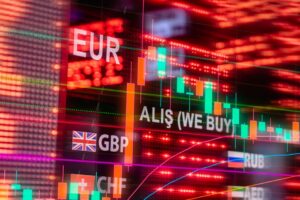
Major Currency Pairs: The most traded currencies include USD, EUR, JPY, and GBP. Major currency pairs are combinations of these currencies, such as EUR/USD or USD/JPY.
Market Participants: Participants range from banks, corporations, individual retail traders, to governments. Each player has varying motivations, including hedging, speculation, or facilitating international business transactions.
The Role of Central Banks
Central banks play a crucial role in determining exchange rates. They may intervene in forex markets to stabilize or increase the value of their currency. Methods of intervention include:
Open Market Operations: Central banks buy or sell their currency in the market to influence its value.
Interest Rate Changes: Altering interest rates can impact capital flows into or out of a country, thus affecting the currency’s value.
Currency Reserves: Maintaining large currency reserves allows central banks to intervene effectively in the forex market.
Currency Conversion
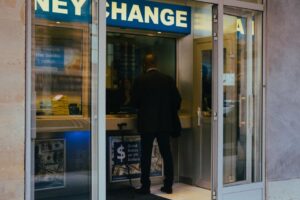
Currency conversion involves exchanging one currency for another, typically at a bank or currency exchange service. Understanding how conversion rates work helps individuals and businesses make informed financial decisions:
Exchange Rate Fees: Currency exchanges often charge fees or offer slightly less favorable rates than the official market rate. Understanding these can save significant costs.
Online Currency Converters: Numerous tools and calculators can provide real-time conversion rates to aid travelers and international businesses.
Hedging and Speculation
Hedging and speculation are critical strategies used in forex markets:
Hedging: Businesses engaged in international trade might hedge against adverse currency fluctuations by using forward contracts, options, or futures. This allows them to lock in exchange rates for future transactions.
Speculation: Traders who speculate in the forex markets aim to profit from currency fluctuations, often using leverage to amplify gains. This carries a higher risk, as unfavorable movements can lead to significant losses.
The Impact of Exchange Rates on Trade
Exchange rates significantly affect international trade dynamics:
Export Competitiveness: A weaker domestic currency can make exports cheaper for foreign buyers, potentially boosting sales. Conversely, a strong currency can make exports more expensive.
Import Costs: Imports become costlier when the domestic currency depreciates, which can lead to higher prices for consumers and businesses reliant on foreign products.
Trade Balancing: Fluctuating exchange rates can impact a country’s trade balance. A consistently weak currency may improve trade balance by enhancing exports, while a strong currency can worsen it.
Global Economic Relationships
Exchange rates affect global economic relationships by influencing trade policies, capital flows, and investment decisions. Countries may engage in currency manipulation—intentionally lowering their currency value to gain trade advantages, which can lead to tensions and accusations on the global stage.
Conclusion on Exchange Rates
Understanding exchange rates is vital for individuals and businesses engaged in international activities. By grasping the factors that influence this critical financial aspect, both everyday consumers and large corporations can navigate the complexities of the foreign exchange market more effectively. Whether traveling abroad, investing in foreign assets, or conducting international business, awareness of exchange rates and their implications is a necessary skill in today’s interconnected world.
Practical Uses of Exchange Rate Knowledge
Travel Expenditure: Knowing current exchange rates helps travelers budget their expenses more accurately when visiting foreign countries.
Investment Strategy: Investors in foreign stocks or bonds need to consider exchange rates since these can influence the overall return on investment.
Corporate Strategy: Businesses involved in exporting or importing goods must monitor exchange rate trends to make efficient pricing strategies and contract decisions.
Risk Management: Firms can implement risk management strategies utilizing hedging techniques to manage risks arising from currency fluctuations.
Tools for Monitoring Exchange Rates
Keeping informed about exchange rates can be vital for making strategic decisions. Here are some tools and resources:
Financial News Websites: Websites like Bloomberg, Reuters, and CNBC provide up-to-date financial news, including currency rate fluctuations.
Mobile Apps: Applications like XE Currency and OANDA offer real-time exchange rates, historical data, and conversion calculators.
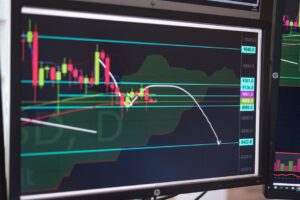
Trading Platforms: Platforms such as MetaTrader, thinkorswim, and TradingView allow users to analyze currency movements with advanced charting tools.
Conclusion
Understanding exchange rates is essential for engaging in global commerce and finance. As exchange rates fluctuate based on a variety of factors, keeping informed and adapting strategies accordingly is crucial for successful international operations. For businesses and individuals alike, the implications of exchange rates are vast, stretching from purchasing power to investment returns.
By harnessing the knowledge of exchange rate mechanics, engaging with advanced tools, and maintaining awareness of global market trends, one can navigate the complexities of the forex market more effectively. This understanding empowers better financial decisions, whether for individual investments, business strategies, or customer transactions in a global context.