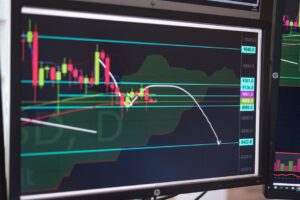
Top 10 Strategies for Trading the EURUSD Pair Effectively


Top 10 Strategies for Trading the EURUSD Pair Effectively
1. Understanding Market Fundamentals
Before diving into trading strategies, it’s vital to have a solid grasp of the economic fundamentals that drive the EUR/USD pair. The Eurozone and the United States are two of the largest economies in the world. Key indicators include interest rates, inflation levels, employment statistics, and GDP growth. Keeping abreast of major economic releases such as the European Central Bank (ECB) meetings, U.S. Federal Reserve announcements, and non-farm payrolls can provide insights into potential price movements. Using an economic calendar to monitor these events will help you time your trades better.
2. Technical Analysis and Chart Patterns
Mastering technical analysis is essential for effective trading. Start by learning to read USD/EUR charts and look for patterns such as head and shoulders, flags, or triangles. Use various time frames to identify short-term and long-term trends. Fibonacci retracement levels, moving averages, and trend lines can provide excellent entry and exit points. Employing oscillators like the Relative Strength Index (RSI) and Stochastic Indicator can help confirm trends and avoid overbought or oversold conditions.
3. Risk Management Techniques
Effective risk management is crucial in forex trading. Allocating no more than 1-2% of your trading capital on a single trade can protect you from significant losses. Employing a stop-loss order minimizes potential losses by automatically closing a position when it reaches a predetermined level. Use position sizing methods to determine the right amount to invest based on the distance to your stop-loss. A well-structured risk-reward ratio of at least 1:2 can lead to consistent profitability over time.
4. Utilizing Support and Resistance Levels
Support and resistance levels serve as critical indicators of price reversals. The EUR/USD pair has several well-defined support and resistance lines that can be identified through historical price action. When the price approaches a support level, it may bounce back upwards, while resistance levels often present barriers for upward movement. Use horizontal lines, trend lines, and pivot points to identify these critical levels. Understanding how to trade these zones can enhance entry and exit strategies significantly.
5. News Trading Strategy
Trading on economic news events, also known as news trading, can lead to substantial profits in the EUR/USD pair. Economic indicators such as data releases about unemployment rates, inflation, and interest rate decisions can cause volatility in the market. Preparing a news trading calendar helps trading strategies align with critical announcements from both the Eurozone and the U.S. However, it’s essential to be cautious, as markets can often react unpredictably to news. Integrating a pause strategy, where you wait for the initial volatility to settle, can be prudent.
6. Scalping
Scalping is a short-term trading strategy aimed at profiting from small price changes. By using a 1-minute to 5-minute chart, traders can enter and exit multiple trades within a single session, capitalizing on small fluctuations in the EUR/USD. Use tight spreads and leverage to increase the potential return on each trade, while ensuring effective risk management practices to mitigate the impact of reduced market liquidity. This strategy requires steely discipline and quick reflexes.
7. Swing Trading for Longer Gains
Swing trading capitalizes on price “swings” or movements over a period of days to weeks. By focusing on larger time frames such as daily and weekly charts, traders can identify when trends may change. This strategy involves entering a position and holding it through potential retracements to maximize profits from the overall trend. Employing technical indicators such as MACD or Bollinger Bands can help identify the best entry and exit points for swing trades.
8. Using Automated Trading Systems
Automated trading systems, commonly referred to as algorithmic trading, utilize computer algorithms to execute trades based on predetermined criteria. These systems can analyze market data much faster than a human, potentially increasing the number of profitable trades. Platforms like MetaTrader provide various automated trading tools, including Expert Advisors (EAs). Although highly effective, it is essential to backtest these systems thoroughly before deployment in live markets.
9. Diversification and Hedging
While trading the EUR/USD pair, consider diversifying your portfolio by investing in other currency pairs, commodities, or stocks. This strategy can reduce overall risk exposure. Hedging involves taking a position that offsets potential losses in your primary trade. For instance, if you are long on EUR/USD, consider a short position in another correlated currency pair. While hedging can limit losses, it may also cap potential gains, so should be used cautiously.
10. Keeping a Trading Journal
A trading journal serves as an invaluable resource for any trader. Documenting each trade, including entry and exit points, reasons for taking the trade, and outcomes, allows you to analyze your performance objectively. Regularly reviewing your journal can reveal recurring patterns in your trading behavior, helping you make necessary adjustments to your strategy. This practice promotes disciplined trading and enhances learning from both successful and unsuccessful trades.
Final Thoughts
Engaging in trading the EUR/USD pair can be both rewarding and challenging. By applying fundamental and technical analysis, maintaining disciplined risk management practices, and continuously developing your trading skills, you can improve your chances of success. Remember that consistent learning, staying updated with market news, and refining your strategies will provide an edge in one of the world’s most actively traded currency pairs.