The Importance of Forex Market Analysis for Traders


The Importance of Forex Market Analysis for Traders
Forex market analysis is crucial for successful trading in the foreign exchange market. Understanding the key aspects of market analysis can help traders make informed decisions, manage risks effectively, and ultimately enhance profitability.
Types of Forex Market Analysis
Forex market analysis can be broadly categorized into three main types: fundamental analysis, technical analysis, and sentiment analysis. Each of these analytical approaches offers unique insights that can aid traders in developing strategies tailored for various market conditions.
1. Fundamental Analysis
Fundamental analysis involves examining the economic, political, and social factors that influence currency values. This analysis seeks to understand the intrinsic value of a currency, guiding traders to anticipate market movements. Here are the primary elements of fundamental analysis:
Economic Indicators: Key economic indicators, such as GDP, employment rates, inflation, and retail sales, are crucial in assessing a country’s economic stability and growth potential. For instance, a rising GDP often signifies economic health and can lead to currency appreciation.
Monetary Policy: Central banks play a pivotal role in shaping currency values through interest rate decisions, quantitative easing, and other monetary policy tools. Forex traders focus on central bank announcements and monetary policy changes to gauge potential currency movements.
Geopolitical Events: Political stability, elections, and international relations significantly impact currency values. Events such as Brexit or trade deals can lead to volatility, and being aware of these factors allows traders to anticipate significant price swings.
Market Sentiment: Economic news releases often influence trader sentiment. Understanding market psychology can provide insights into potential market movements, as traders react to news and economic data releases.
2. Technical Analysis
Technical analysis relies on the study of historical price movements and volume data to forecast future price trends. This analytical method utilizes various tools and indicators to decipher market behavior. Here are some key components of technical analysis:
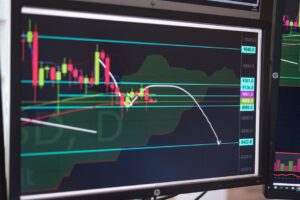
Price Charts: Traders use different types of price charts, including line, bar, and candlestick charts, to visualize price actions. Candlestick charts, in particular, provide insights into market sentiment through patterns, such as doji, engulfing patterns, and shooting stars.
Technical Indicators: Various indicators, such as Moving Averages (MA), Relative Strength Index (RSI), and Bollinger Bands, help traders identify trends, reversals, and potential entry and exit points. These mathematical calculations are based on historical price data and assist in making informed trading decisions.
Support and Resistance Levels: Support and resistance levels are critical for identifying potential price points where the market may reverse. Support levels indicate where buying interest is strong enough to prevent prices from falling further, while resistance levels signify strong selling interest.
Trend Analysis: Recognizing market trends, whether upward, downward, or sideways, is essential for effective trading strategies. Traders can employ trend lines and channels to identify and confirm market trends, providing clear entries or exits.
3. Sentiment Analysis
Sentiment analysis focuses on understanding the overall mood or sentiment of the market participants. This type of analysis can provide insights into potential market reversals or continuations based on trader sentiment. Here are some methods to gauge market sentiment:
Commitment of Traders (COT) Report: This weekly report provides insights into the positions of different types of traders in the futures market and can indicate whether the market is overly bullish or bearish.
Social Media and News Analysis: Traders can analyze sentiment on platforms like Twitter or forums to gauge market sentiment. For example, an increase in negative sentiment toward a currency may indicate potential declines.
Market Surveys: Surveys that assess trader expectations can serve as a barometer for market sentiment. If most traders are bullish, it might indicate that the market is overbought and due for a correction.
Importance of Combining Analyses
Combining fundamental, technical, and sentiment analysis can provide a well-rounded perspective on market conditions. Each type of analysis has its strengths and weaknesses, and leveraging them together enhances decision-making.
Confirmation Signals: Utilizing both fundamental and technical analysis can provide confirmation signals. For example, if fundamental analysis indicates strong economic growth alongside bullish technical indicators, the likelihood of upward price movement increases.
Risk Management: By analyzing the different facets of the market, traders can devise effective risk management strategies. Understanding potential market shifts can alert traders to adjust stop-loss orders or position sizes accordingly.
Strategic Flexibility: The forex market is dynamic, and market conditions can change rapidly. By employing multiple analytical approaches, traders can adapt their strategies to capitalize on new opportunities or mitigate potential losses.
The Role of Education and Tools
Traders looking to enhance their market analysis capabilities must invest in education and utilize the right tools. Here are some ways to improve analytical skills:
Online Courses: Many platforms offer online courses focusing on various aspects of forex trading, including both fundamental and technical analysis. Learning from experienced traders can expedite proficiency.
Trading Communities: Engaging with trading communities allows traders to share insights, strategies, and experiences, enhancing collective knowledge and analysis skills.
Trading Platforms and Software: Advanced trading platforms provide analysis tools, such as charting software and economic calendars, which enable traders to implement their analysis effectively.
Psychological and Emotional Factors
While analysis is crucial for trading, the psychological aspect cannot be overlooked. Emotions such as fear and greed can cloud judgment, leading to impulsive decisions. Here are strategies to manage emotional trading:
Trading Plan: Developing a comprehensive trading plan that outlines entry and exit strategies, risk management protocols, and analysis methods can help keep emotions in check.
Journaling: Maintaining a trading journal is a valuable practice as it allows traders to reflect on their decisions, analyze what worked and what didn’t, and learn from mistakes.
Discipline and Patience: Successful traders cultivate discipline and patience, adhering to their analysis and trading plans rather than succumbing to emotional impulses.
Conclusion
Forex market analysis is an indispensable component of trading success. Traders who master fundamental, technical, and sentiment analysis are better equipped to navigate the complexities of the forex market. Adopting a systematic approach, continuously educating oneself, and managing emotions are key elements that contribute to a trader’s effectiveness in this fast-paced and ever-changing environment. As the forex market evolves, ongoing analysis and adaptation remain crucial for sustaining a successful trading career.