Understanding Mobile Banking: Benefits and Features

Understanding Mobile Banking: Benefits and Features
What is Mobile Banking?
Mobile banking refers to the use of mobile devices, such as smartphones and tablets, to access banking services and conduct financial transactions. With mobile banking applications and responsive websites, users can manage their bank accounts and perform banking activities anytime and anywhere.
Key Features of Mobile Banking
Mobile banking applications offer a multitude of features designed to enhance user experience and streamline banking processes.
Account Balance Monitoring
One of the core features of mobile banking is the ability to check account balances. Users can view current balances for checking and savings accounts, credit cards, and loans, providing instant clarity on their financial status.Fund Transfers
Mobile banking allows seamless fund transfers between accounts within the same bank or to external accounts. Users can initiate transfers using other methods, such as peer-to-peer payment systems or through QR codes, ensuring transactions are completed swiftly.Bill Payments
Paying bills has never been easier. Mobile banking apps often include an option for users to schedule payments for recurring charges like utilities, rent, or subscriptions. Some applications even allow the uploading of bills through QR scanning for quick payment processing.Mobile Check Deposits
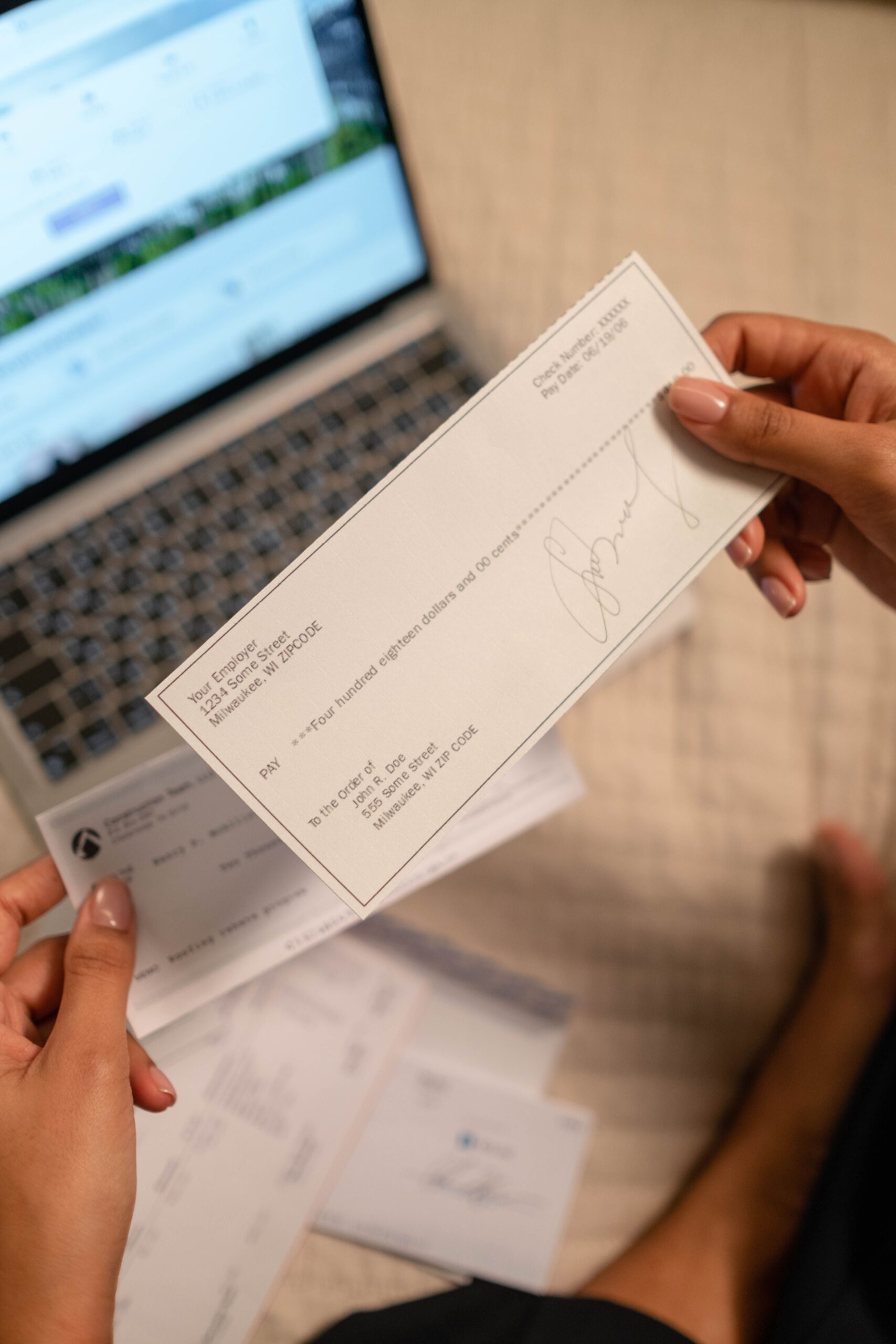
Users can deposit checks via their mobile devices by taking pictures of the front and back of the check. This feature saves time and reduces the need for trips to the bank, making it easier to manage finances.Transaction Alerts
Mobile banking apps provide real-time transaction alerts via push notifications or SMS. Users immediately receive notifications when there’s a withdrawal or deposit, enhancing security and keeping them informed of their financial activities.Budgeting Tools
Many mobile banking apps are equipped with budgeting features that allow users to set financial goals, track spending, and categorize expenses. This helps users manage their finances more effectively and make informed choices about their spending habits.ATM Locator
Most mobile banking apps feature an ATM locator, helping users find nearby ATMs that are convenient and have lower fees. This is particularly beneficial for travelers or those who do not want to incur extra charges for ATM usage.Security Features
Security is paramount in mobile banking. Features like two-factor authentication, biometric login (fingerprint or facial recognition), and encryption help safeguard personal and financial information, making mobile banking a secure choice.Customizable User Interface
Many mobile banking applications allow users to customize their dashboards, personalizing their banking experience according to their preferences. Customization can include adjusting themes, rearranging account views, or adding shortcuts for frequently used features.Customer Support Integration
With mobile banking, customers can easily access support through chatbots, FAQs, or direct messaging with customer service representatives. This feature ensures users can resolve any issues or inquiries promptly, enhancing the overall customer experience.
Benefits of Mobile Banking
Mobile banking provides numerous advantages that cater to the needs of modern users.
Convenience
The primary advantage is the convenience mobile banking offers. Users can perform banking activities at their convenience, eliminating the need to visit a branch during limited operating hours.24/7 Access
With mobile banking, account management is accessible 24/7. Whether it’s checking balances at midnight or executing a transfer during a lunch break, mobile banking allows users to maintain control over their finances at any time.Cost-Effective
Mobile banking can lead to cost savings for both banks and customers. Fewer branch visits mean reduced operational costs for banks, while customers save on gas and time. Additionally, many banks offer lower fees for online banking services.Instant Transactions
Transactions conducted through mobile banking are often processed in real-time, ensuring that users do not have to wait for traditional methods like mail checks or bank visits to clear transactions.Accessible Financial Management
Mobile banking apps often include features intended to help users manage their finances more effectively. This accessibility empowers users to take control of their financial health with ease.Reduced Paperwork
With mobile banking, users can manage may financial activities electronically, resulting in less paperwork. This not only helps reduce clutter but also contributes positively to the environment.Enhanced Security
Mobile banking platforms regularly update their security protocols to safeguard against hacking and fraud. Features such as encryption, biometric access, and alerts for unauthorized transactions enhance users’ security and trust.Instant Account Visualization
Easy-to-use graphical representations of spending habits and account balances allow users to visualize their financial standing instantaneously. This insight can lead to better financial decisions.Integration with Other Financial Tools
Many banking apps allow integration with personal finance tools and third-party applications. This can include expense-tracking applications or investment platforms, providing a holistic view of personal finance.Global Reach
For users who travel often or manage accounts in different countries, mobile banking offers a global reach that allows for seamless management of finances across various currencies.
The Future of Mobile Banking
As technology continues to evolve, mobile banking will become even more sophisticated, with innovations on the horizon.
Artificial Intelligence: AI has the potential to enhance customer support through virtual assistants and chatbots capable of handling complex queries. It can also analyze spending patterns, offering personalized financial advice.
Blockchain Technology: Blockchain can revolutionize transactions, making them more secure and reducing fraud. By integrating this technology, mobile banks can provide an added layer of security and efficiency in payments.
Voice Banking: With the increasing prevalence of voice-activated virtual assistants, mobile banking could incorporate voice commands for conducting transactions, checking balances, and performing other tasks.
Augmented Reality: The future may see the integration of AR in mobile banking. Users could visualize account details or locate ATMs using AR technology on their mobile devices.
Enhanced Personalization: Future applications may leverage big data to offer users an experience tailored to their financial behaviors and preferences, helping with goal management and personalized recommendations.
Conclusion
Understanding the benefits and features of mobile banking is vital as it plays an increasingly essential role in our daily financial management. With its combination of convenience, security, and advanced technology, mobile banking is not just a trend but a fundamental shift in how we interact with money. Users can securely manage their finances with ease, leading to smarter financial decisions. As the technology continues to evolve, mobile banking will likely become even more integral to everyday life, underlining the importance of staying informed about best practices and available options.