The Ultimate Guide to Altcoins: What You Need to Know

Understanding Altcoins
Altcoins are any cryptocurrencies that are not Bitcoin. The term derives from “alternative coins,” referring to the multitude of coins that emerged following Bitcoin’s success. While Bitcoin introduced the concept of decentralized digital currency, altcoins explore new functionalities, technologies, and market niches to expand the evolving cryptocurrency ecosystem. With thousands of altcoins available in the market, it’s crucial to understand their unique characteristics, purposes, and potential as investment options.
Categories of Altcoins
Stablecoins: These are cryptocurrencies designed to maintain a stable value by pegging to a reserve asset like the US dollar. Examples include Tether (USDT), USD Coin (USDC), and Binance USD (BUSD). Stablecoins are critical for providing liquidity in crypto trading, offering a hedge against market volatility.
Utility Tokens: These tokens provide access to specific functionalities within a blockchain ecosystem. For instance, Ethereum (ETH) is used for executing smart contracts and decentralized applications (dApps), while Binance Coin (BNB) serves as a means to pay transaction fees on the Binance exchange. Utility tokens are essential in facilitating operations within their respective networks.
Security Tokens: Security tokens represent ownership in real-world assets, such as equity in a company, real estate, or financial assets. These tokens comply with regulatory frameworks and provide investors with rights such as dividends or profit-sharing.
Governance Tokens: These tokens enable holders to participate in the governance of a blockchain project. For example, Uniswap (UNI) allows its community to vote on important protocol changes, fostering decentralized decision-making.
Privacy Coins: Coins like Monero (XMR) and Zcash (ZEC) focus on enhancing privacy and anonymity in transactions. They employ advanced cryptographic techniques to obscure transaction details and user identities, making them popular for users valuing privacy.
Meme Coins: Born from online culture, meme coins like Dogecoin (DOGE) and Shiba Inu (SHIB) often gain popularity due to social media hype rather than technological advancements or fundamentals. They can experience extreme volatility, creating unique investment opportunities.
Analyzing Altcoins
While Bitcoin is often viewed as a ‘digital gold,’ altcoins present diverse investment avenues. Investors should evaluate altcoins based on several criteria:
Market Capitalization: The total market value of a cryptocurrency helps gauge its market size and popularity. Larger caps, like Ethereum, tend to be more stable, while smaller caps may offer higher risk and potential rewards.
Use Case: Assessing the application and necessity of a coin in the market is crucial. Coins solving specific problems or providing unique services often have a better chance of adoption and long-term viability.
Technology: Understanding the underlying technology, consensus mechanisms, and scalability solutions can reveal the altcoin’s potential. For instance, projects utilizing innovative protocols like proof-of-stake (PoS) may appeal to environmentally-conscious investors.
Development Team and Community: A solid, experienced development team inspires confidence in a project. Involvement from active communities can also impact an altcoin’s success, as they contribute to marketing, development, and problem-solving.
Popular Altcoins to Watch
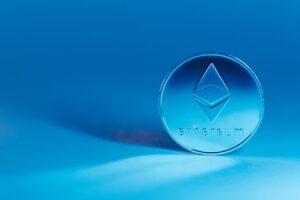
Ethereum (ETH): The second-largest cryptocurrency by market cap, Ethereum is renowned for its smart contract capabilities and decentralized app ecosystem. The transition to Ethereum 2.0 brings scalability and environmental advantages via its PoS mechanism.
Cardano (ADA): As a blockchain platform focused on sustainability and scalability, Cardano aims to be a comprehensive solution for smart contracts and decentralized applications, leveraging a rigorous academic approach to development.
Ripple (XRP): Designed for fast and low-cost international money transfers, Ripple facilitates cross-border transactions and has garnered partnerships with various financial institutions, aiming to revolutionize the payment landscape.
Solana (SOL): Known for its high throughput and low transaction costs, Solana provides a platform for decentralized applications and has gained traction in the DeFi and NFT space.
Polkadot (DOT): Polkadot aims to create a multi-chain ecosystem, enabling different blockchains to interoperate seamlessly. Its unique architecture allows for scalability and innovation across various projects.
Altcoin Trading Strategies
Investing in altcoins requires a thoughtful approach. Here are some strategies to consider:
HODLing: This long-term strategy involves purchasing and holding onto altcoins despite market volatility. If the project has strong fundamentals and potential for future growth, HODLing can result in significant returns.
Swing Trading: Traders capitalize on price fluctuations within a shorter time frame, often utilizing technical analysis to predict market movements. Keeping up with news and developments can enhance the success rate of swing trades.
Dollar-Cost Averaging (DCA): This strategy involves regularly investing a fixed amount in an altcoin, regardless of its price. DCA reduces the impact of volatility and allows for a more disciplined investment approach.
Portfolio Diversification: Spreading investments across multiple altcoins can mitigate risk. A diversified portfolio may include a mix of large-cap, medium-cap, and small-cap altcoins to balance potential returns with risk exposure.
Risks of Investing in Altcoins
Investing in altcoins comes with inherent risks. A few key considerations include:
Volatility: Altcoins are often subject to significant price swings, leading to potential profits or losses. Investors must be prepared for rapid changes in market sentiment.
Regulatory Challenges: The cryptocurrency landscape is evolving, and regulatory changes can impact altcoin viability. Investors should stay informed about legal developments affecting their chosen assets.
Scams and Fraud: The prevalence of scams in the cryptocurrency sector necessitates due diligence. Investors should research thoroughly and consider established projects over new or obscure altcoins.
Market Sentiment: Altcoin values are heavily influenced by market sentiment and social media trends. Speculative bubbles can form quickly, leading to sudden price corrections and losses.
The Future of Altcoins
As the cryptocurrency landscape continues to evolve, the role of altcoins in the broader financial ecosystem will expand. With technological advancements, new use cases, and emerging sectors like DeFi (Decentralized Finance) and NFTs (Non-Fungible Tokens), altcoins will likely play a pivotal role in shaping the future of digital assets.
Investors should remain vigilant, continuously research, and adapt to the changing dynamics of the market. Altcoins offer diverse opportunities, but thorough understanding and strategic planning are essential for navigating this exciting and often unpredictable space.
Conclusion
Understanding and engaging with altcoins requires diligence and knowledge of the various types, trends, and risks associated with them. By grasping the nuances and keeping abreast of developments, investors harness the potential that altcoins can unlock within the cryptocurrency universe.