How to Choose the Best ForexSignals Provider for Your Needs

Understanding Forex Signals
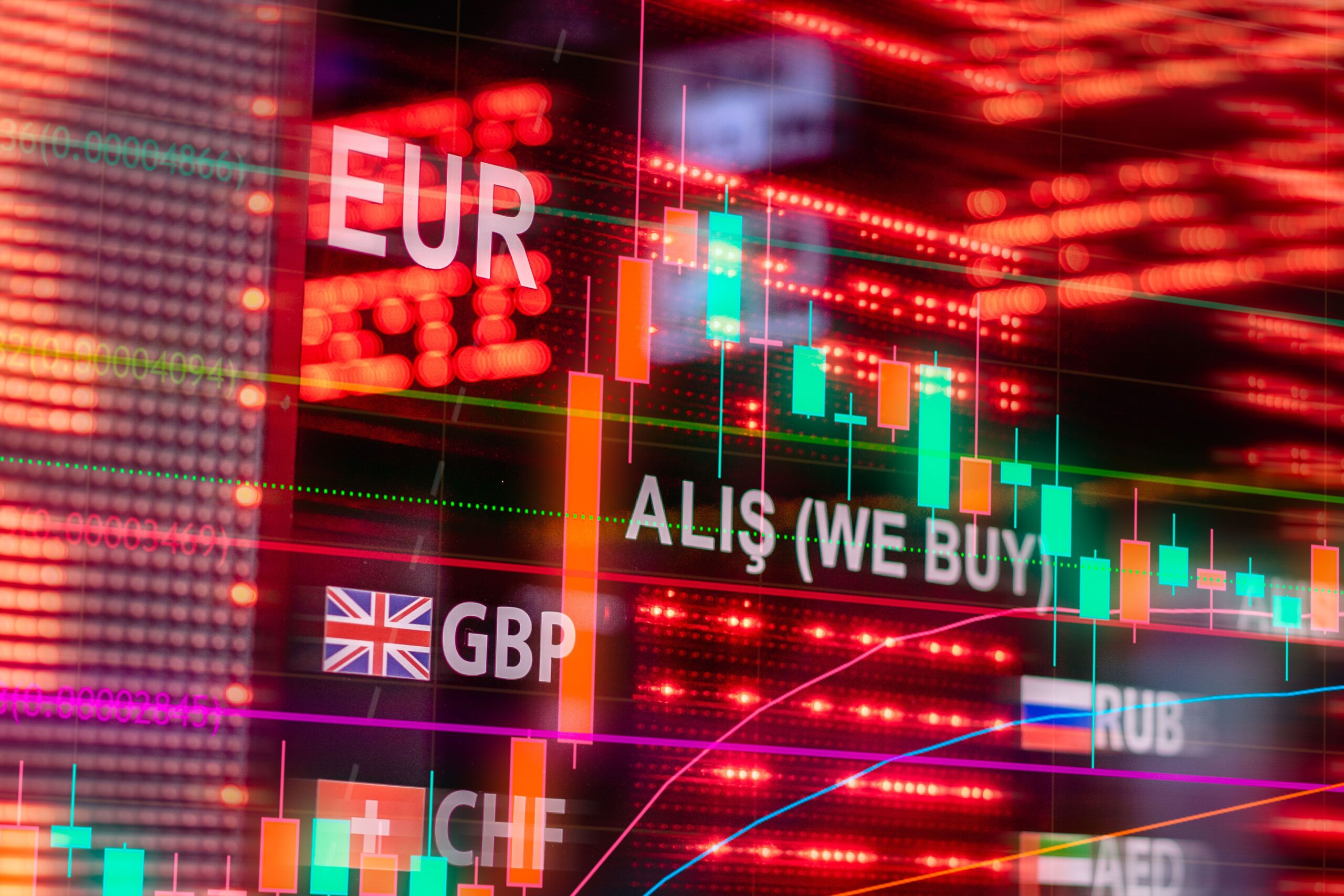
Forex signals are trading recommendations provided by analysts or automated programs. They usually indicate when to buy or sell a currency pair, often including the specific entry and exit points. Choosing the right forex signals provider can significantly influence your trading success. The key lies in identifying one that aligns with your trading style, risk tolerance, and overall investment goals.
Research the Provider’s Reputation
Check Online Reviews
Leverage platforms like Trustpilot, Forex Peace Army, or forums dedicated to forex trading. Look for genuine feedback from users about signal accuracy, customer service, and overall experience.Verify Credentials
Ensure the provider has credible qualifications. They should possess industry experience or relevant certifications, which validate their expertise in forex trading.Examine Track Records
A trustworthy provider should have documented performance metrics. Look for a verified track record of their past signals, showcasing win rates and returns over time. Ideally, the results should be attainable and realistic.
Understand the Types of Signals Offered
Technical Analysis Signals
These usually rely on chart readings, patterns, and indicators. If you prefer trading based on data analysis, ensure the provider has robust technical analysis strategies.Fundamental Analysis Signals
Signals based on economic indicators, geopolitical events, or financial news are preferable for those who favor macroeconomic trading strategies.Automated Signals
Automated trading systems generate signals without human intervention. If you seek a hands-off approach, consider a provider with algorithmically generated signals.Hybrid Signals
Some providers use a combination of both technical and fundamental analysis. This can be beneficial for users who want a holistic insight into the forex market.
Assess Signal Accuracy and Performance
Win Rate Measurement
Analyze the provider’s win rate—the percentage of successful signals compared to total signals. A win rate around 60-70% is typically considered good in the forex market.Return on Investment (ROI)
Understand the ROI generated per signal. A provider that can show a consistent ROI over a significant period of time is usually more trustworthy.Risk-to-Reward Ratio
Assess the average risk-to-reward ratio of the signals. An ideal ratio might be 1:2, meaning that for every unit of risk, the expected profit is twice as much.
Compatibility with Your Trading Style
Day Trading vs. Swing Trading
If you’re a day trader, seek providers offering frequent signals, often multiple times a day. Conversely, if you’re a swing trader, look for those that provide signals over longer periods, perhaps daily or weekly.Scalping
For scalpers, who rely on short-term trades, ensure the provider supplies rapid updates and frequent signals, often based on minute-to-minute analyses.Long-Term Investment
If you’re inclined towards long-term trading strategies, you may want to find providers who focus on economic cycles, providing signals less frequently yet with greater significance.
Evaluate Communication and Support
Clarity of Signals
Review how signals are communicated. They should be delivered clearly, stating the entry point, stop losses, and profit targets unambiguously.Delivery Methods
Consider how you’d like to receive signals: via email, SMS, or a dedicated app. The method should align with your trading routine to ensure timely decisions.Customer Support
Test their customer service responsiveness. A reliable provider should offer support that is accessible and knowledgeable, ready to address any questions you may have.
Transparency and Fees
Understanding Fees
Look for clear information about any costs involved, whether they are subscription-based, a success fee on profits, or a combination.Free Trials
Many reputable providers offer free trials. Take advantage of these options to evaluate the service’s quality before making a financial commitment.Refund Policies
Understand their refund policy in case you’re dissatisfied with the service. A provider willing to offer a money-back guarantee is often more trustworthy.
Security and Technology
Data Protection
Ensure the provider follows robust security measures to protect your data and privacy. This might include encryption protocols and secure platforms.Use of Technology
Ensure that the provider utilizes up-to-date software and technologies for signal generation. Automation can enhance speed and accuracy, facilitating more effective trading.
Community and Social Proof
Sign Up for a Community
Many signal providers operate communities where users can share experiences, reviews, and advice. Being part of such a community can not only offer additional insights into the signals but also foster a supportive trading environment.Social Media Presence
Review the provider’s social media platforms. A strong social presence can indicate credibility and the provider’s willingness to engage with their subscriber base.
Regulatory Compliance
Check for Licenses
Look for providers regulated by financial authorities such as the Financial Conduct Authority (FCA) or the Commodity Futures Trading Commission (CFTC). Regulation adds an extra layer of security.Ethical Trading Practices
Verify that the provider adheres to ethical trading practices that align with financial regulations, ensuring that they are not making misleading claims about their signals or performance.
Personal Trial and Evaluation
Start Small
Begin using the signals on a demo account or with a small amount of capital. This allows you to evaluate their effectiveness without risking significant funds.Track Performance
Maintain a record of how the signals perform in real-time trading environments. Assess if they align with the promised outcomes and adjust your trading strategy accordingly.Regular Reviews
Periodically review the signals you receive. As market conditions change, you may need to reassess whether the provider continues to meet your needs.
Conclusion of Key Points to Consider
Choosing the best Forex signals provider requires careful consideration of multiple factors—quality of signals, provider reputation, communication clarity, and your trading preferences. Take your time to sift through different options, gather information, and soon you will be equipped to make an informed decision that could enhance your trading journey significantly.